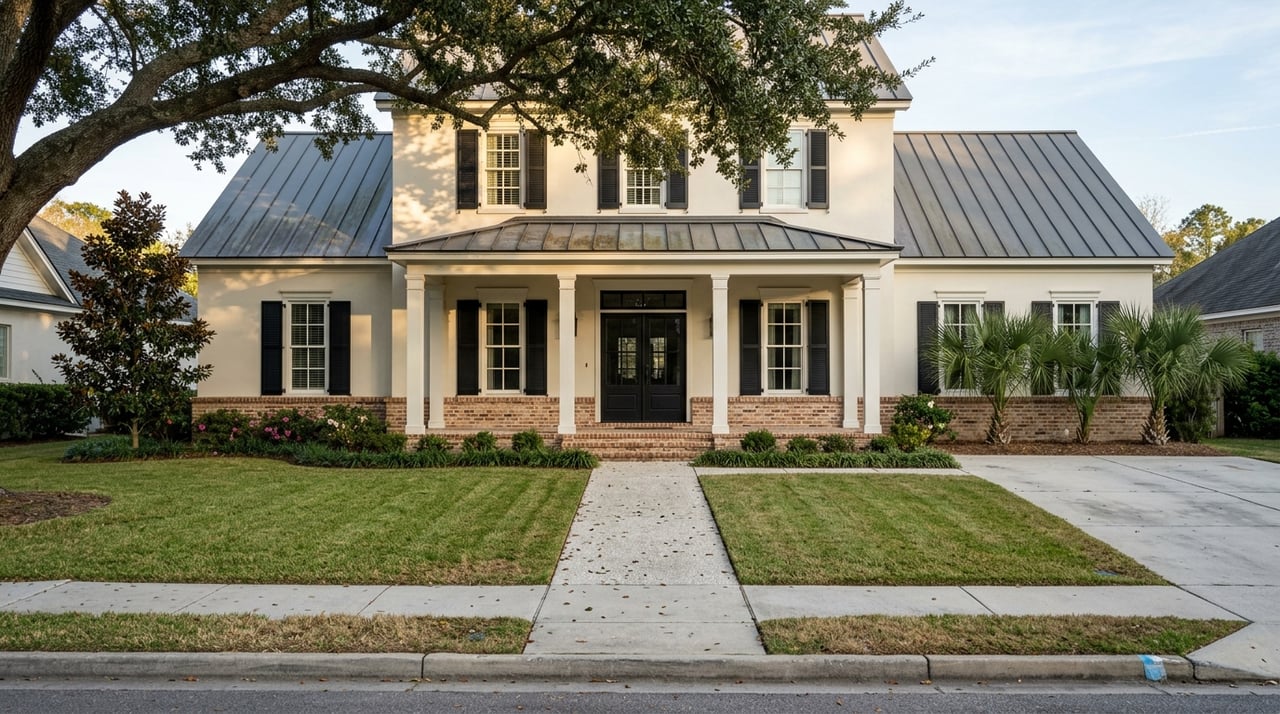
Explore the Lakeview New Orleans Home Lifestyle
July 9, 2026
July 9, 2026
If you want New Orleans living with more room to spread out, easier daily routines, and regular access to water and green space, Lakeview deserves a close look. For many buyers, this part of the city offers a different pace than the historic core without losing that unmistakable New Orleans character. In this guide, you’ll get a clear picture of what Lakeview and the lakefront feel like, what kinds of homes you’ll find, and what everyday life can look like here. Let’s dive in.
Lakeview is not just one small pocket on a map. In local planning terms, it sits within a broader district that includes Lakewood, Navarre, West End, Lake Shore, and Lake Vista, and many residents think of it as a cluster of lake-oriented neighborhoods rather than a single subdivision.
That broader identity matters when you are home shopping. Two properties may both be described as “Lakeview,” but they can offer different surroundings, home styles, and day-to-day routines depending on where they sit within the larger area.
The New Orleans lakefront is more than a scenic edge of the city. It is a planned landscape built through land reclamation and flood protection, with a 5.5-mile seawall and a district that includes marinas, park space, and Lakefront Airport.
For you as a buyer or seller, that means the lakefront is woven into the identity of the area. It is a place people actually use for biking, jogging, fishing, picnics, bird-watching, boating, and informal gathering throughout the week.
One of the biggest differences between Lakeview and older New Orleans neighborhoods is built form. While the historic core is known for denser development, tighter setbacks, and a mix of dwelling types, Lakeview is more single-family oriented and generally feels more spacious.
That extra breathing room shows up in practical ways. Many buyers are drawn to the area for its yard potential, parking convenience, and a layout that feels more suburban than the city’s earlier neighborhoods.
Lakeview’s housing stock is rooted in 20th-century development. Much of the area was originally built between 1929 and 1949, and the prevailing residential pattern remains predominantly single-family, with some two-family homes.
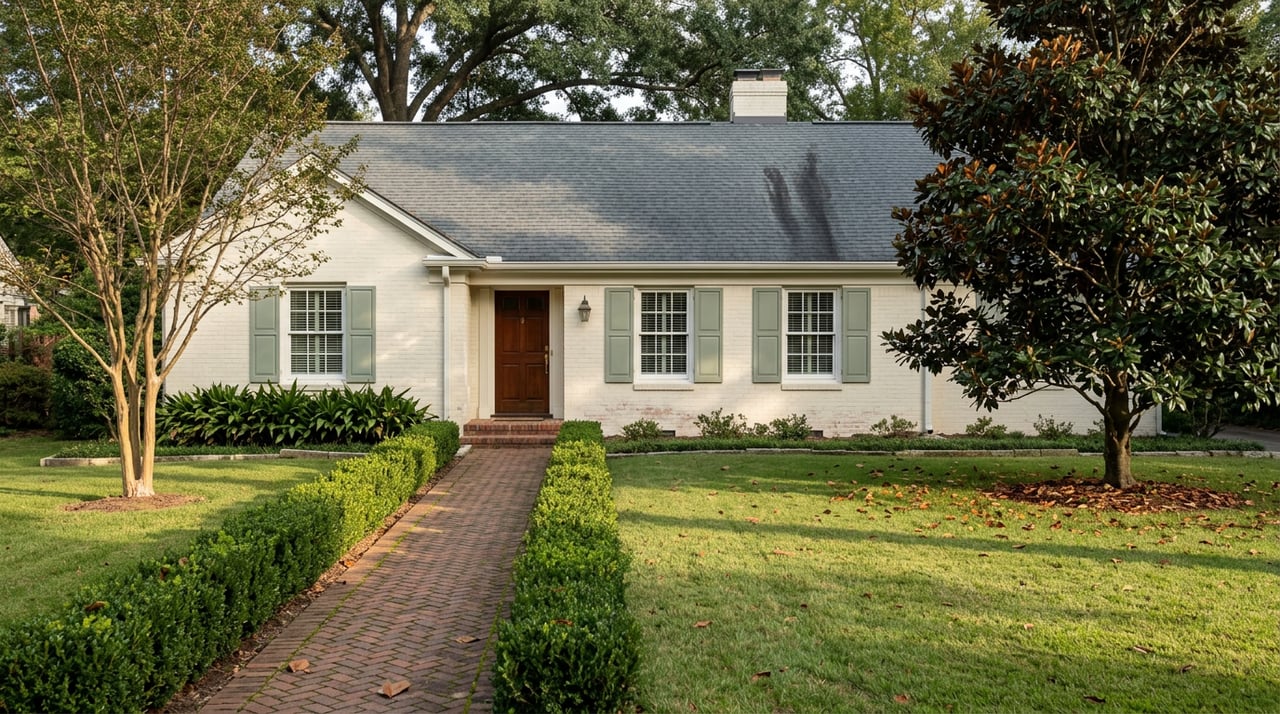
You will often see bungalow-style homes, mid-century ranch-style houses, and slab-on-grade construction, along with a meaningful amount of newer post-Katrina rebuilding. That mix gives the neighborhood a layered look rather than one uniform architectural identity.
Many homes in Lakeview reflect postwar growth and a practical residential layout. These properties often appeal to buyers who want detached housing, more interior square footage, and a street pattern that supports a calmer residential feel.
For sellers, this also means buyers may compare homes closely on lot use, updates, elevation, and how well the property fits modern living. In a neighborhood with varied rebuilding and renovation histories, those details can shape value.
South Lakeview offers a smaller historic pocket within the larger area. It includes California-style bungalows and Mediterranean Revival homes, giving this section a distinct architectural personality.
It is also a place where flood history and rebuilding are part of the neighborhood story. Some homes with raised elevations and solid construction survived the 2005 flooding better than others, and many residents rebuilt afterward.
Lake Vista tells a different lakefront story. Built in the 1930s on reclaimed land from Lake Pontchartrain, it followed Garden City planning ideas with central civic and commercial functions, residential streets, pedestrian lanes, and linear parks.
It later became known for modernist architecture, including homes by Arthur Q. Davis, Nathaniel C. “Buster” Curtis Jr., and Albert C. Ledner. If you are drawn to architecturally significant homes, this is one of the area’s most distinctive pockets.
Lifestyle is a major part of Lakeview’s appeal. This is a neighborhood where outdoor routines tend to shape the rhythm of the week, from morning walks to weekend outings near the water.
Instead of block-by-block urban activity, daily life here often centers on residential streets, neighborhood errands, park access, and lakefront recreation. For many buyers, that balance is exactly the point.
City Park is one of the strongest lifestyle anchors for this area. It spans 1,300 acres and includes 24 miles of walking trails, along with the Botanical Garden, Couturie Forest, the New Orleans Museum of Art, Big Lake, playgrounds, disc golf, fishing, and one of the largest groves of mature live oaks in the world.
Because the park is free to enter and open daily, it functions as part of everyday life for nearby residents. If you picture your routine including walks, outdoor play, or easy access to open space, this is a meaningful advantage.
The lakefront brings a different kind of outdoor access. Residents can enjoy biking, jogging, fishing, picnics, bird-watching, and marina-oriented activity that makes the shoreline feel active and lived-in.
That can be especially appealing if you want your neighborhood to offer more than just a home. In this part of New Orleans, the shoreline often becomes part of your weekly routine rather than just a backdrop.
Lakeview also functions well as a residential district with local services. Its commercial core developed around Harrison Avenue at Canal Boulevard and Robert E. Lee Boulevard, helping support the daily errands that make a neighborhood easy to live in.
For buyers, that means you can look for a balance of residential quiet and practical convenience. For sellers, that local rhythm helps explain why Lakeview continues to attract people who want a more settled, service-oriented lifestyle.
In Lakeview, flood history is part of the conversation and should be approached with clarity. During Hurricane Katrina, water from the 17th Street Canal moved into portions of Lakeview, and post-storm rebuilding became a major part of the area’s identity.
That does not define every home in the same way, but it does mean buyers should pay close attention to a property’s construction, elevation, and rebuilding history. For sellers, being prepared to discuss those factors clearly can help build trust with serious buyers.
If you are considering Lakeview or the lakefront area, it helps to look beyond the listing photos and focus on how each pocket lives. The broader neighborhood label can cover a wide range of settings and home types.
A smart search usually includes questions like these:
If you are selling in Lakeview, context matters. Buyers often respond well when they understand not just the property itself, but also how it fits into the neighborhood’s broader lifestyle and built environment.
Depending on the home, strong points to present may include:
In an area with both practical appeal and architectural nuance, the strongest marketing usually connects the home to the way people actually live here.
Lakeview is straightforward in some ways, but it is not generic. Neighborhood identity, architecture, flood history, and micro-location all play a role in how buyers evaluate value and how sellers position a property.
That is where neighborhood-specific guidance matters. When you understand the differences between the larger Lakeview area and its individual pockets, you are better equipped to make a decision that fits your goals.
Whether you are buying a home near the park, searching for lakefront proximity, or preparing to sell a property with a unique story, local context can make the process smoother and more informed. If you are considering a move in Lakeview or along the lakefront, the Francher Perrin Group can help you navigate the details with a thoughtful, neighborhood-focused approach.
Stay up to date on the latest real estate trends.
From first showings to closing day, we’re committed to delivering a seamless, elevated real estate experience tailored to your goals. Whether you’re buying, selling, relocating, or investing, the Francher Perrin Group is here to guide you with trusted expertise, personalized service, and a deep understanding of New Orleans real estate.
FRANCHER PERRIN GROUP
7934 Maple Street New Orleans, LA 70118 2734 Prytania Street New Orleans, LA 70130