What It Is Like To Live In Marigny And Bywater
July 16, 2026
July 16, 2026
If you are drawn to New Orleans neighborhoods with deep character, walkable streets, and a strong sense of place, Marigny and Bywater tend to stand out fast. These two downriver neighborhoods offer a daily experience shaped by historic homes, porch-front blocks, local businesses, parks, and easy access to music and river views. If you are wondering what it is actually like to live here, this guide will help you picture the streetscape, housing, and day-to-day rhythm. Let’s dive in.
Marigny and Bywater sit just downriver from the French Quarter, which is part of what gives them such a connected, urban feel. Marigny is the neighborhood directly next to the Quarter, while Bywater stretches farther downriver.
The Faubourg Marigny Historic District is bounded by Esplanade Avenue, St. Claude Avenue, Press Street, and the Mississippi River. The Bywater Historic District extends roughly from Press Street to Poland Avenue along the river, then returns inland along St. Claude Avenue and Montegut Street.
Both are historic districts, with Marigny designated in 1978 and Bywater in 1993. That historic designation matters because it helps protect the built character that many buyers come here for in the first place.
These neighborhoods feel different from newer, more car-oriented parts of the city. They reflect an older New Orleans pattern, with denser blocks, buildings set closer to the street, and a layout that supports walking as part of daily life.
City planning guidance describes this area as a pedestrian-scale environment with limited accommodation for the automobile. In practical terms, that means you will notice porches near sidewalks, compact lots, traditional corner stores, and streets that feel social and lived-in rather than spread out.
Marigny often feels a little more energetic because of its proximity to the French Quarter and the activity around Frenchmen Street. Bywater usually reads as a bit quieter and more residential, with a stronger connection to the riverfront and creative reuse spaces.
If you are looking for uniform new construction, these neighborhoods are probably not the match. Marigny and Bywater are better known for older character housing, architectural variety, and homes that feel specific to New Orleans.
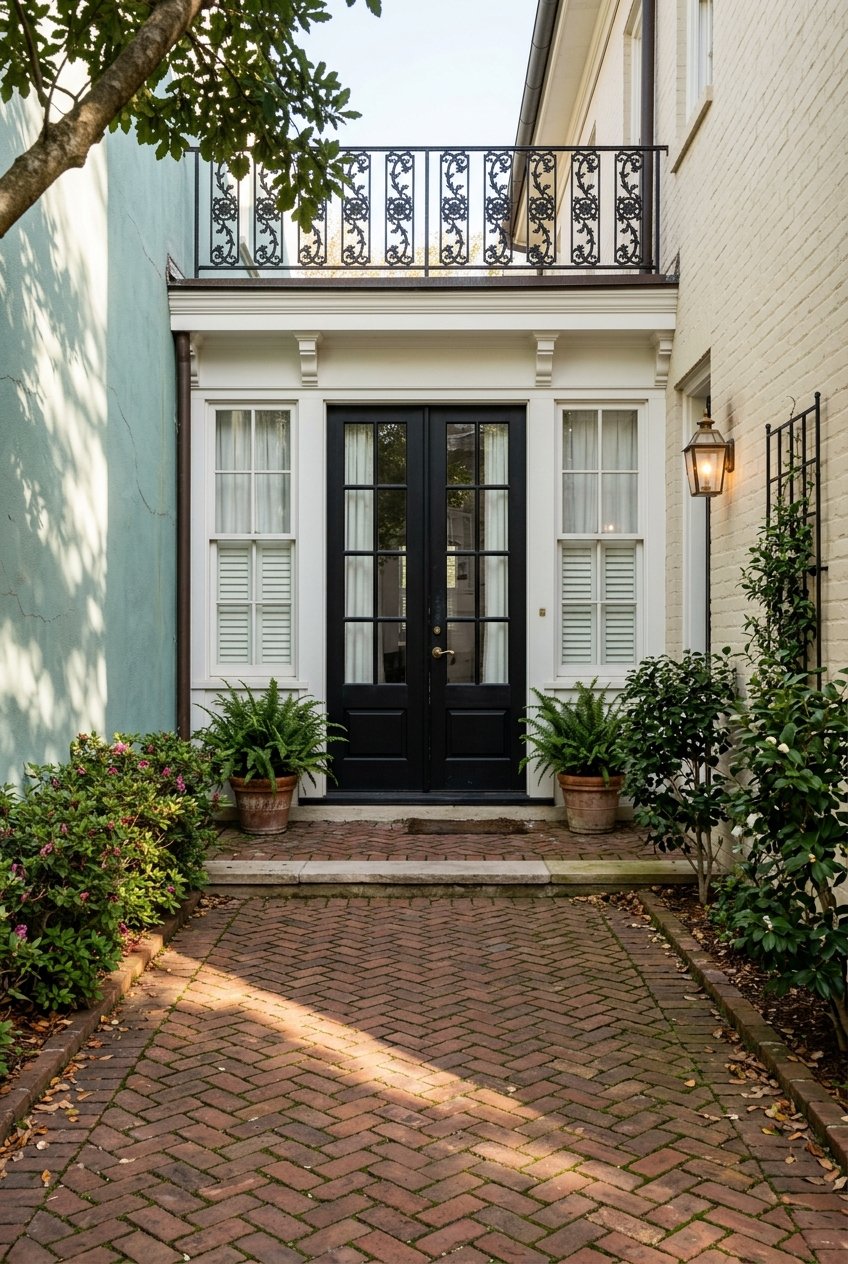
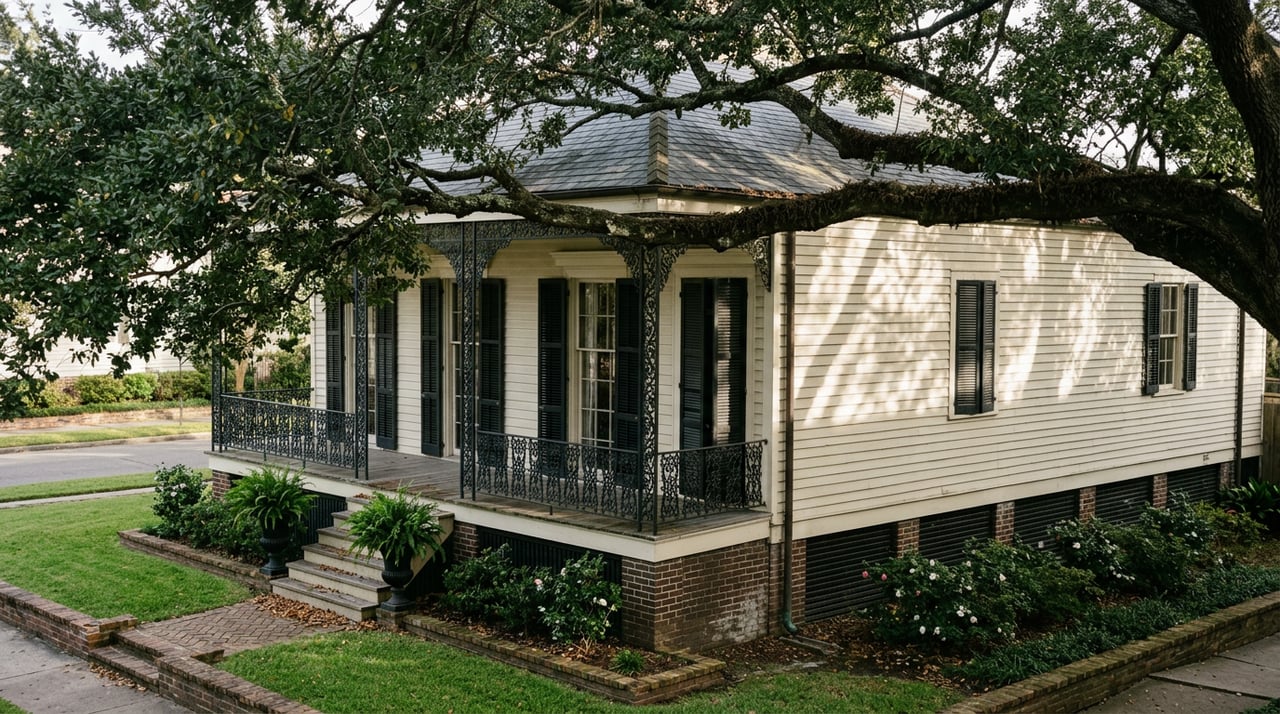
In Marigny, many homes are one to one-and-a-half stories and raised above grade. Common building materials include wood and stuccoed masonry, and you will often see gabled or hipped roofs along the block.
The signature housing types in Marigny are Creole cottages and shotgun homes, often in two-, three-, or four-bay forms. The district also includes Victorian houses with Queen Anne or Eastlake detailing, along with corner stores and mixed-use corner buildings.
Bywater shares that compact, historic feel, but with a more visibly mixed residential and industrial edge. Its architecture is also dominated by shotguns and Creole cottages, and the neighborhood still shows the older pattern where homes, small commerce, and riverfront industry developed side by side.
A big part of daily life here comes from how the streets were built. In these historic urban neighborhoods, homes are generally set close to the sidewalk, and zoning reinforces that pattern with relatively shallow front setbacks.
That layout creates a close-knit streetscape. Instead of long driveways and deep front yards, you are more likely to see front steps, porches, small yards, and ornamental iron fencing that keeps the street visually connected.
For many buyers, that is a major part of the appeal. You feel the neighborhood as you move through it, whether you are heading to a park, picking up coffee, or taking an evening walk.
Marigny’s rhythm is shaped in large part by Frenchmen Street and Washington Square. If you enjoy being near live music, cafes, restaurants, and small businesses, this part of the city offers that kind of immediate access.
The city’s tourism guidance describes Frenchmen Street as one of New Orleans’ best places for live music, with jazz, reggae, and blues venues along the corridor. That gives parts of Marigny a lively, culture-forward identity, especially closer to the French Quarter side.
Washington Square Park adds another layer to everyday life. The 2.54-acre neighborhood park includes playgrounds, oak shade, and periodic art markets, concerts, and special events, making it a real neighborhood gathering place.
Bywater often moves at a slightly slower pace. It still has bars, restaurants, corner stores, and creative energy, but the feel is often more local and more tied to the riverfront.
The city describes Bywater as a quiet neighborhood of small-scale residences, corner stores, bars, and restaurants that primarily serve locals. That description fits the neighborhood’s reputation for having a residential backbone alongside its cultural and commercial spots.
Crescent Park is a major part of the lifestyle here. This 1.4-mile, 20-acre urban greenway runs between Elysian Fields and Bartholomew Street, offering space for walking, running, biking, rollerskating, river views, and weekly fitness classes.
The creative identity of these neighborhoods is not abstract. It shows up in the buildings, the public spaces, and the institutions nearby.
In Bywater, industrial buildings near the Mississippi have been adapted for art studios and community nonprofits. That reuse helps explain why the neighborhood feels layered rather than polished into one single style.
The area is also home to NOCCA at 2800 Chartres Street, a regional public pre-professional arts training center. Together, these features give the neighborhood a visible arts presence that is part of everyday life rather than separate from it.
For buyers, Marigny and Bywater offer something distinct: older housing stock with personality, variety, and a strong connection to place. You will find restored shotguns, Creole cottages, smaller multifamily buildings, corner properties, and some mixed-use or adaptive-reuse homes rather than rows of similar properties.
The city’s zoning framework in these historic districts encourages rehabilitation, renovation, and adaptive reuse of historically significant buildings while excluding incompatible uses from residential districts. That can help preserve neighborhood character over time.
This is especially relevant if you are buying for architecture, walkability, and neighborhood identity. In these areas, the appeal is often tied as much to the block and built environment as it is to the square footage inside the home.
If you are deciding between the two, the difference often comes down to daily pace and immediate surroundings. Both share historic architecture, compact streets, and a strong neighborhood feel, but they do not live exactly the same.
| Neighborhood | General feel | Notable everyday features |
|---|---|---|
| Marigny | More energetic and closer to the French Quarter | Frenchmen Street, Washington Square, mixed-use streets |
| Bywater | Quieter and more river-oriented | Crescent Park, local-serving businesses, creative reuse spaces |
Neither option is one-size-fits-all. The better fit depends on whether you want to be closer to live music and Quarter adjacency, or whether you prefer a slightly quieter residential rhythm with more riverfront park access.
In Marigny and Bywater, small differences from block to block can shape how a home lives day to day. Historic housing stock, mixed-use corners, park access, and proximity to active corridors all matter when you are deciding where you want to land.
That is why local, preservation-aware guidance can be especially valuable in these neighborhoods. If you are buying or selling here, it helps to work with people who understand not just the listing, but the architecture, the streetscape, and the neighborhood context that drive long-term appeal.
If you are considering a move in Marigny or Bywater, Francher Perrin Group offers neighborhood-specific guidance rooted in New Orleans architecture, historic homes, and thoughtful buyer and seller representation.
Stay up to date on the latest real estate trends.
From first showings to closing day, we’re committed to delivering a seamless, elevated real estate experience tailored to your goals. Whether you’re buying, selling, relocating, or investing, the Francher Perrin Group is here to guide you with trusted expertise, personalized service, and a deep understanding of New Orleans real estate.
FRANCHER PERRIN GROUP
7934 Maple Street New Orleans, LA 70118 2734 Prytania Street New Orleans, LA 70130