A Self-Guided Architecture Walk In The Garden District
July 23, 2026
July 23, 2026
Ever wonder why a short walk in the Garden District can feel like moving through several chapters of New Orleans history at once? If you love old homes, leafy streets, and the small details that make a neighborhood memorable, this is one of the most rewarding strolls in the city. This self-guided walk will help you notice what makes the Garden District special, what architectural styles you are seeing, and what those details can also tell you about living here. Let’s take a closer look.
The Garden District is not the product of one building boom or one architectural style. According to the City of New Orleans Historic District Landmarks Commission, the area began as Faubourg Livaudais, later became the City of Lafayette, and was annexed into New Orleans in 1852.
That long history matters when you are walking the neighborhood. Development unfolded in phases from the late 1840s into the early 20th century, which is why you can see Greek Revival, Italianate, Queen Anne, Eastlake, and Italian-Renaissance influences within a few blocks.
The neighborhood also stands out for its streetscape. The district is known for shady streets, landscaped lots, and a mix of residences, shops, and local institutions that make it feel lived-in rather than frozen in time.
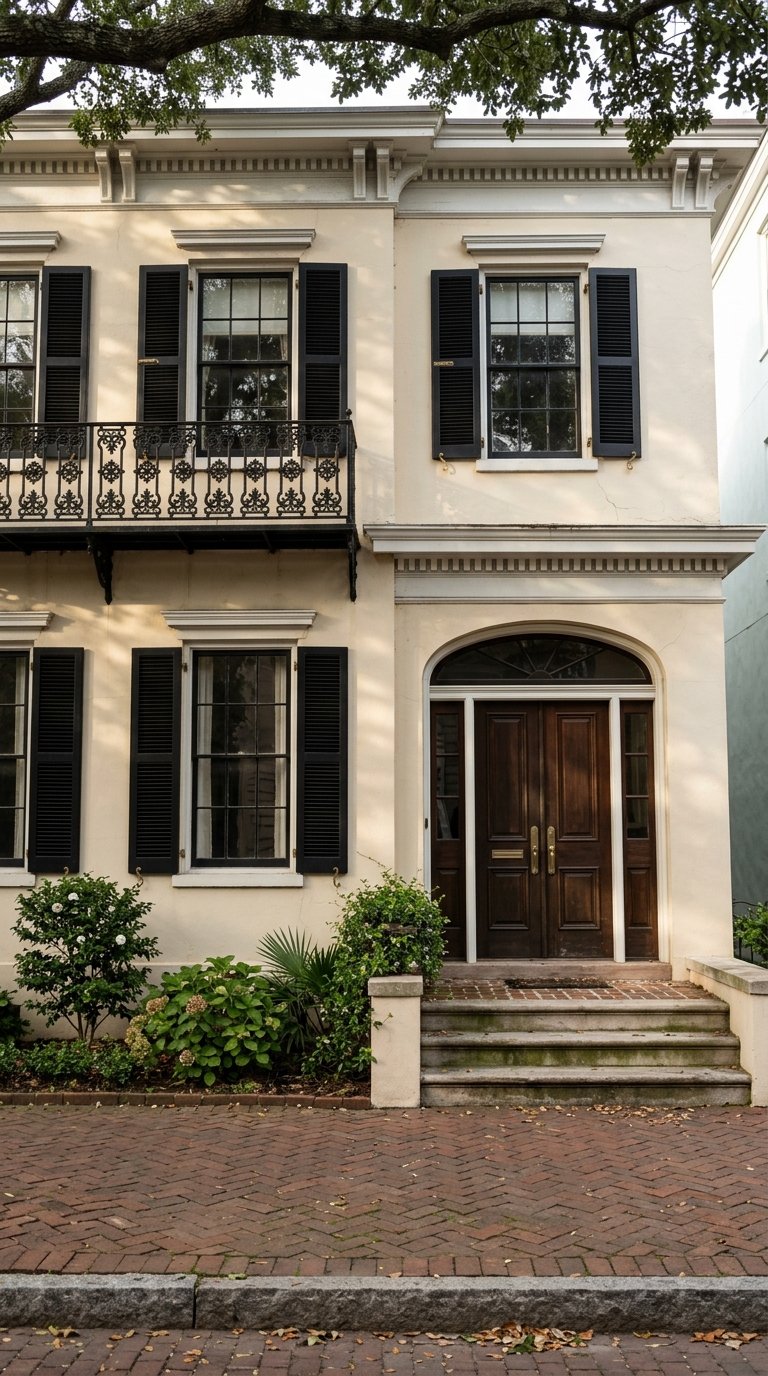
Before you focus on any one house, look at the lots and the spacing between buildings. Many of the area’s grand homes sit on double lots, centered within gardens and framed by cast-iron fences or masonry walls.
Even the smaller homes often have front yards and ornamental ironwork. That combination of scale, greenery, and setback is a big part of why the Garden District feels so open and elegant from the sidewalk.
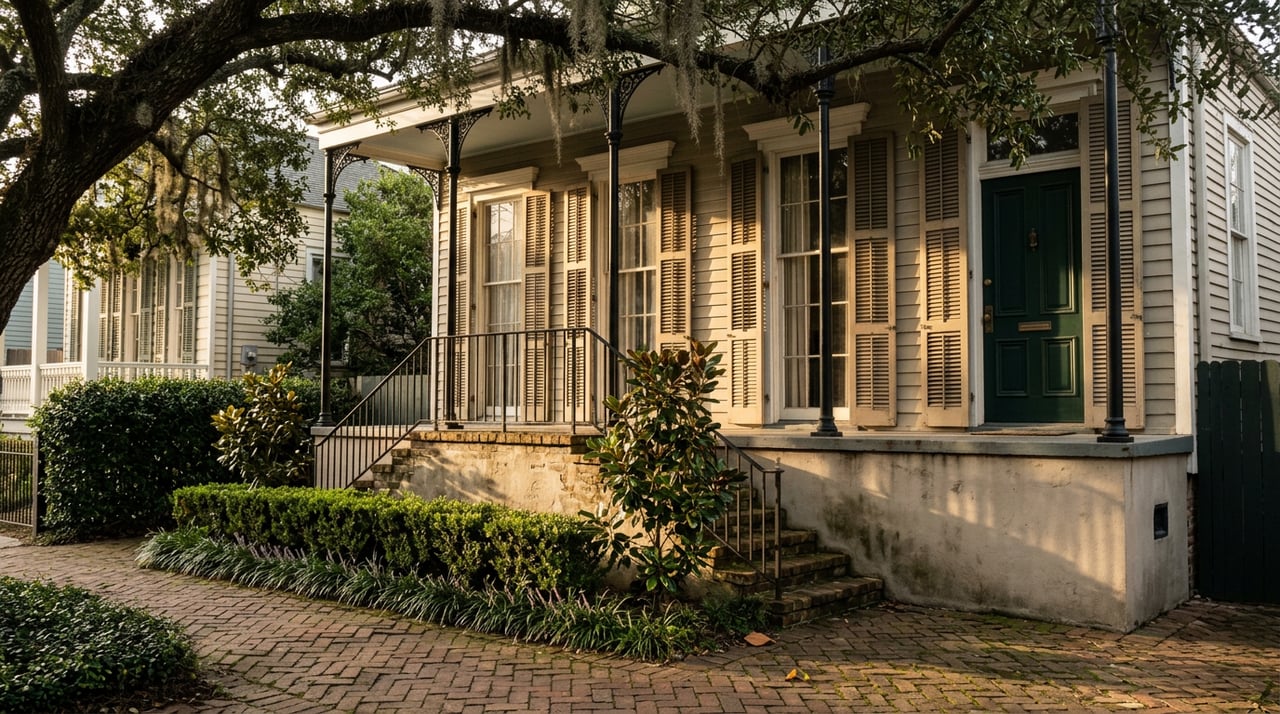
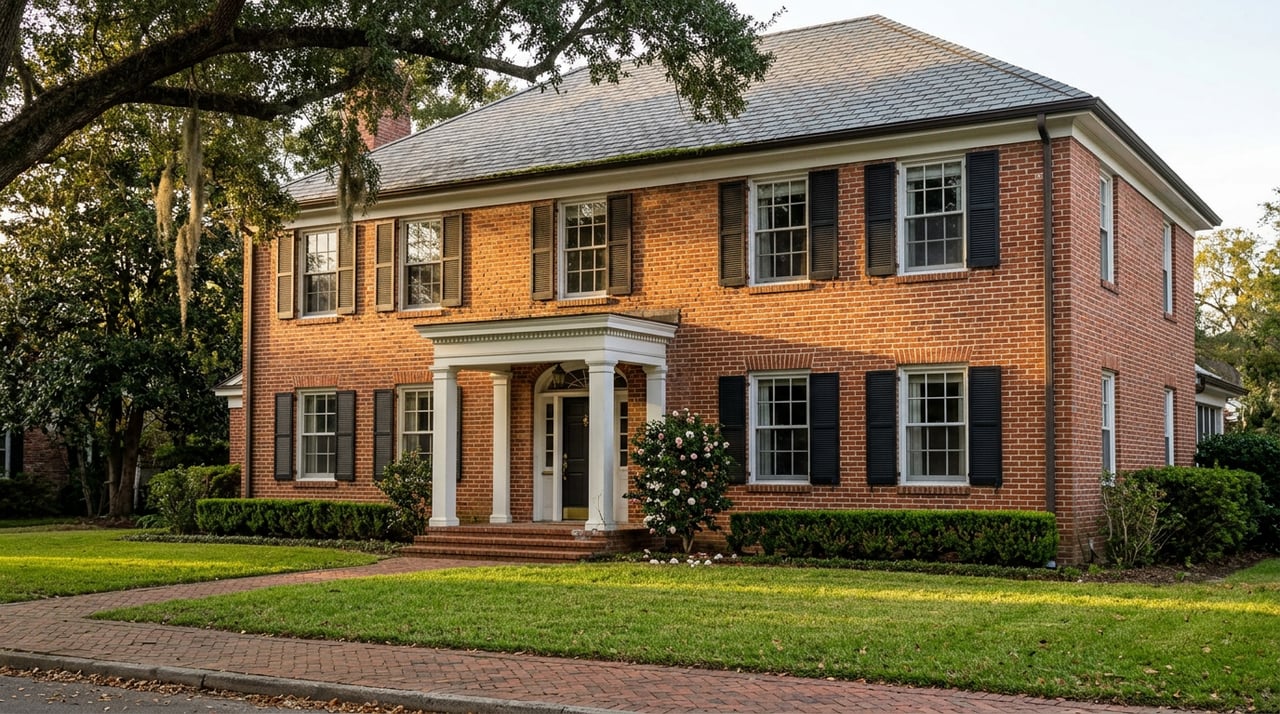
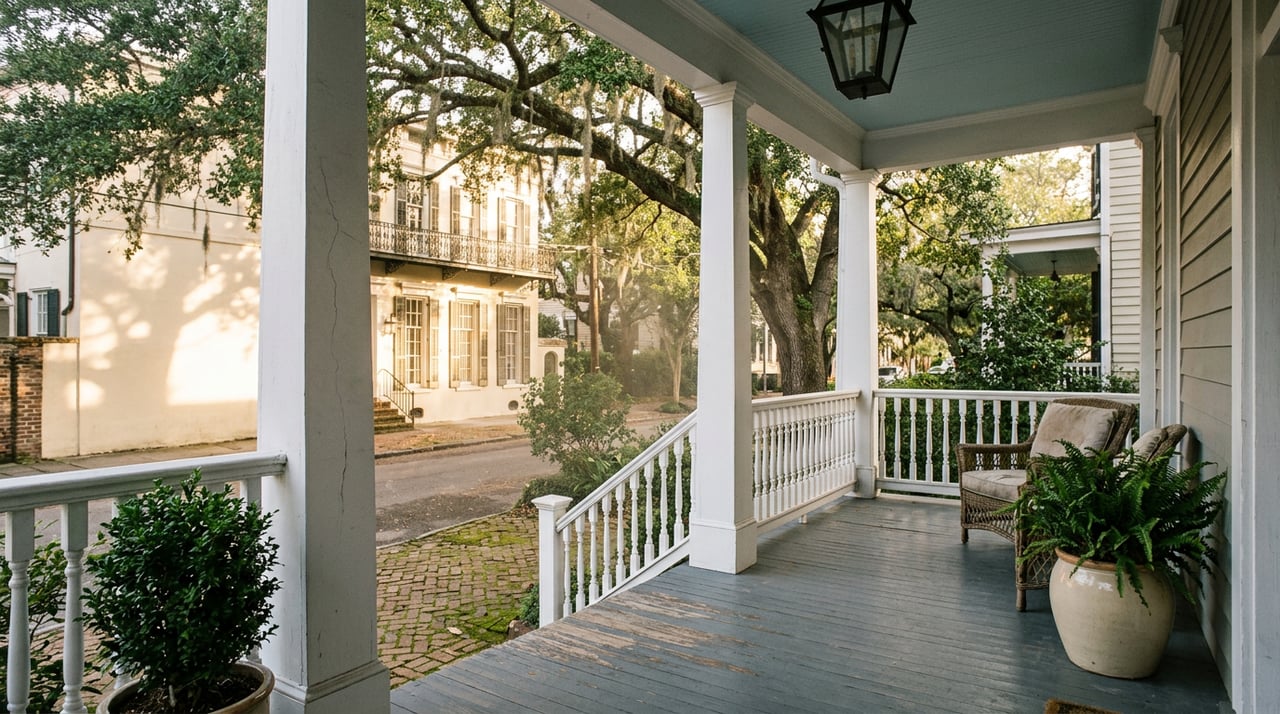
Most residential buildings in the district are two stories and raised above grade. You will also notice common materials and forms, including wood or stuccoed masonry exteriors, gabled or hipped roofs, and porches or galleries that shape the street view.
As you walk, it helps to know the broad sequence of styles that shaped the neighborhood.
A Garden District architecture walk works best as a loose loop, not a strict checklist. Official tourism materials note that by the time you reach the Andrew McShane House and Magazine Street, you have covered about 1.5 miles, which makes this an easy walk to do at a relaxed pace.
If you want a simple structure, start near Jackson Avenue and let the neighborhood unfold from there. You can also begin or end near St. Charles Avenue, where the streetcar provides a familiar access point to the area.
Begin near Jackson Avenue and Coliseum Street, where Buckner Mansion gives you an immediate sense of the district’s grand scale. Its large footprint, columns, wraparound balcony, basement level, and cast-iron gate make it one of the clearest mansion-scale landmarks on the route.
This first stretch sets the tone for the walk. You are not just looking at individual houses. You are seeing how lot size, landscaping, and setbacks combine to create the district’s signature garden-like feel.
From there, continue through Philip Street, First Street, and Coliseum Street to see a broader range of building types. This section helps you understand that the Garden District is not all mansions.
Look for the Monroe Adams House, which is especially useful if you enjoy spotting mixed influences. It blends Italianate, French Second Empire, and Federal or Adam details, showing how layered the architecture here can be.
This part of the route also helps you notice the shift from large villas to townhouses, row houses, and more compact urban forms. That variety is one reason the neighborhood stays visually interesting block after block.
Next, head toward Washington Avenue and Prytania Street. Here, the walk expands beyond private homes and starts to show the institutions and landmarks that give the neighborhood its daily rhythm.
A standout stop is Clark Cottage, a Greek Revival cottage that later gained Italianate features. It is a great example of how homes in the district evolved over time without losing their original scale and form.
Nearby landmarks help tell a bigger story about the neighborhood. Lafayette Cemetery No. 1, Commander’s Palace, Trinity Episcopal Church, and The Rink all help ground the district in civic life, architecture, and long-standing community use.
From there, continue along Third, Fourth, Eighth, and Magazine Streets. This final section adds some of the walk’s most memorable visual details.
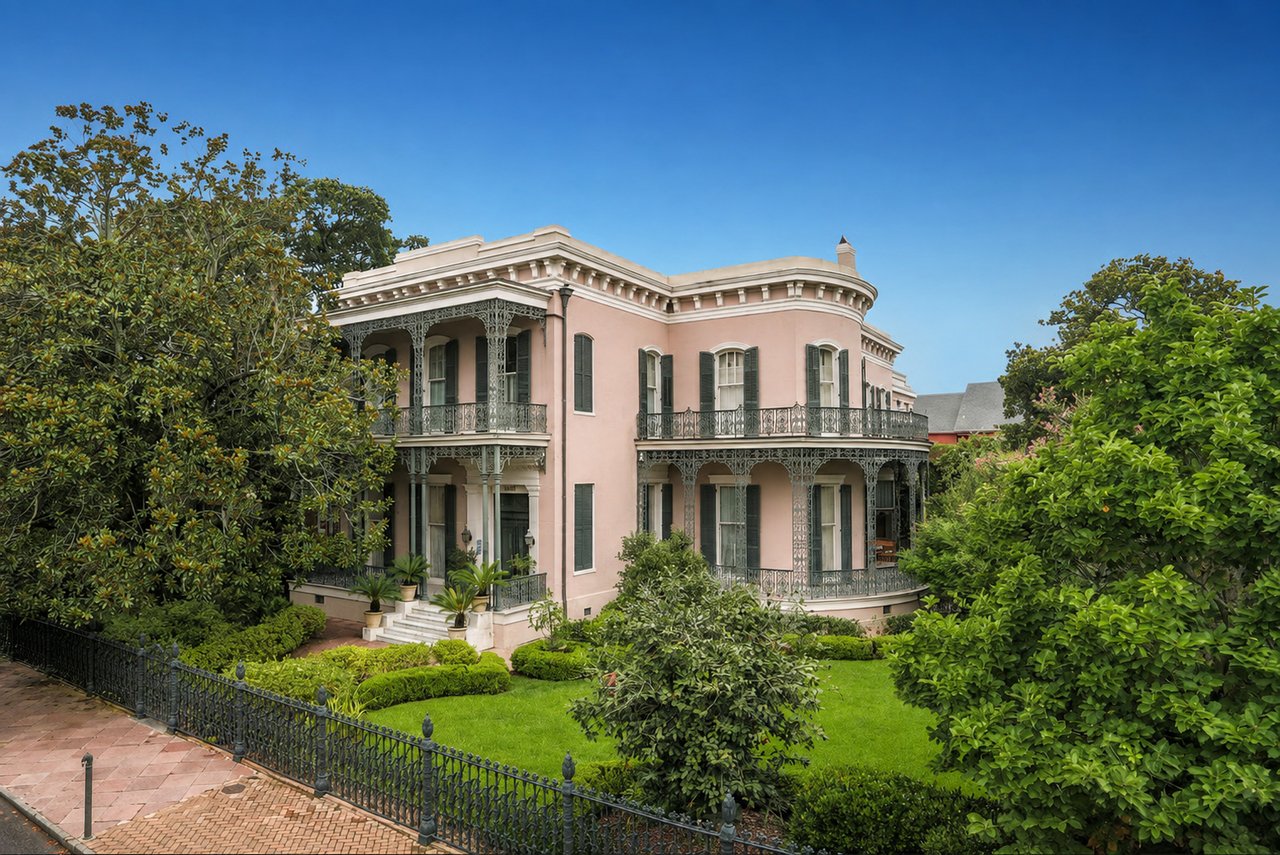
One highlight is Colonel Short’s Villa, often admired for its Italian-Renaissance styling, curved gallery, and distinctive cornstalk-and-morning-glory fence. It is the kind of house that reminds you how expressive architectural detail can be.
Another important stop is the George Washington Cable House, followed by the Andrew McShane House. The McShane House is one of the clearest Eastlake examples in the district, known for its machine-made geometric detailing.
By the time you reach Magazine Street, you will likely understand why this route rewards slow walking. Many homes display plaques that explain their histories, so the more closely you look, the more the neighborhood gives back.
The Garden District is impressive because of more than just grand facades. The sidewalks, fences, garden walls, mature trees, and spacing between homes all shape the experience.
That is also why the neighborhood feels different from places where historic homes sit on tighter lots. Here, landscaped grounds are part of the architecture. They frame the homes and create a softer, greener street presence.
The district is also both locally and nationally recognized. The HDLC notes that the Garden District is listed in the National Register of Historic Places and designated as a National Historic Landmark.
If you are thinking about buying in the Garden District, this walk can teach you a lot. House type matters here, and each form creates a different ownership experience.
A mansion or villa-scale home may offer more formal rooms, larger grounds, and greater privacy. It can also mean more exterior surfaces, more landscape to maintain, and a heavier day-to-day stewardship load.
Side-hall townhouses and raised cottages often offer historic character with less land to maintain. For many buyers, that can be a practical middle ground between architectural charm and manageable upkeep.
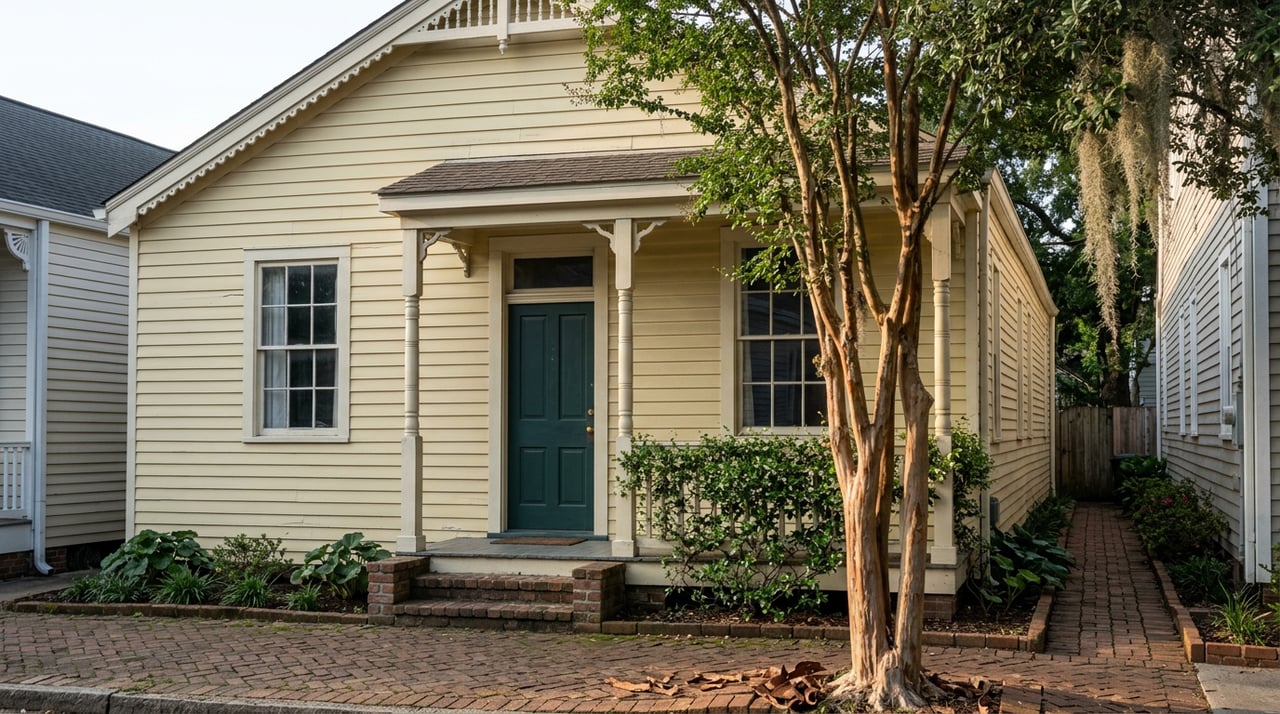
Smaller historic homes and shotgun cottages bring a more compact footprint and usually less outdoor space. They may feel easier to maintain, while still offering the character that draws people to historic New Orleans neighborhoods.
The ownership picture also varies when it comes to parking. The HDLC notes that some grander homes have parking on the grounds, while many residents still rely on street parking.
That detail may seem small during a casual walk, but it can shape how a home fits your routine. In a historic neighborhood, the daily practicalities often matter just as much as the architecture.
The walk also helps explain why Garden District ownership is often described as stewardship-heavy. In this local historic district, proposed exterior work requires a Certificate of Appropriateness from the City of New Orleans.
The city directs property owners to review HDLC design guidelines before starting work. Those guidelines focus on compatibility in size, texture, scale, and site plan, rather than forcing one architectural style onto every property.
In practical terms, that means exterior changes usually require planning and patience. It is part of what protects the neighborhood’s character, and it is an important consideration if you are buying or preparing to sell a home here.
If you own a home in the Garden District, architecture is not just background. It is part of your property’s story and often part of its market appeal.
Buyers here are often responding to more than square footage. They notice lot size, façade rhythm, ironwork, galleries, setbacks, and the way a home fits into the block.
That is why neighborhood-specific guidance matters. A thoughtful marketing strategy should reflect the home’s architectural identity, its preservation context, and the lifestyle the property offers from the sidewalk inward.
If you are exploring the Garden District as a future buyer or thinking about how to position a distinctive home for sale, working with a team that understands architecture, preservation, and block-by-block nuance can make the process much more informed. To learn more or start the conversation, connect with the Francher Perrin Group.
Stay up to date on the latest real estate trends.

From first showings to closing day, we’re committed to delivering a seamless, elevated real estate experience tailored to your goals. Whether you’re buying, selling, relocating, or investing, the Francher Perrin Group is here to guide you with trusted expertise, personalized service, and a deep understanding of New Orleans real estate.
FRANCHER PERRIN GROUP
7934 Maple Street New Orleans, LA 70118 2734 Prytania Street New Orleans, LA 70130